
TLDR: Brown tooth stains are discolorations that range from light yellow-brown to nearly black, and they can sit on the tooth surface or form inside the tooth. They usually come from coffee, tea, tobacco, or plaque on the surface, and a professional cleaning or whitening often removes them. A brown spot that is new, spreading, or painful may be tooth decay or an old injury, so it should be checked by a Jacksonville dentist.
Most brown stains are cosmetic, but some are an early warning sign.
Finding the cause is the first step. A surface stain and a cavity can look alike, and they need very different treatment.
Key Takeaways
- Cause varies: Most brown stains come from diet, tobacco, or plaque, but decay, trauma, and medications can also cause them.
- Early check-up: Catching a stain early often means a simpler treatment, such as a cleaning or whitening.
- Treatment options: Solutions range from cleanings and whitening to bonding, veneers, or crowns, depending on the cause.
- Some stains are slower to treat: Tetracycline and fluorosis stains usually start with dentist-supervised bleaching, and veneers are kept for stains that do not respond.
- Warning signs: A stain that appears suddenly, spreads, or comes with pain needs prompt attention.
What Causes Brown Tooth Stains?
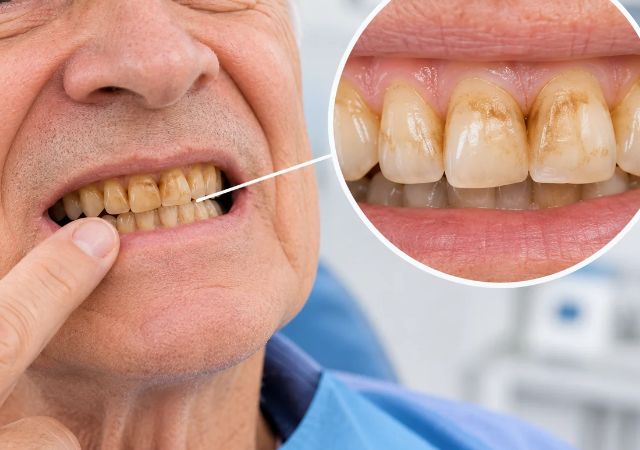
Brown tooth stains are caused by food, drink, and tobacco on the surface, by changes inside the tooth such as injury, medication, or aging, or by tooth decay.
Below are the details of each, grouped into surface stains (extrinsic), internal stains (intrinsic), and decay, because the cause decides the treatment.
Extrinsic Stains: Surface Discoloration
These are the most common brown stains, and they can affect anyone, though they build up with age and years of habits. Coffee, tea, red wine, dark sodas, and tobacco leave pigments that cling to the enamel, and plaque or tartar gives them a rough surface to stick to. Some products, such as chlorhexidine or cetylpyridinium chloride mouthwashes, stannous fluoride, and iron supplements, can also cause brown surface stains.
Intrinsic Stains: Internal Tooth Changes
Intrinsic stains form inside the tooth, so brushing cannot remove them, and teeth also darken naturally with age. A hard blow can cause bleeding inside the tooth and turn it dark brown or gray, tetracyclines taken in late pregnancy or before about age 8 can stain developing teeth with bands, and minocycline can also discolor adult teeth. Severe fluorosis from too much fluoride in childhood can cause brown spots or pitting, and some people inherit enamel or dentin conditions that make teeth look brown.
Decay and Deterioration
A brown spot can be decay, though early active decay is usually a chalky white patch. A dark spot that is hard and shiny may be an old, inactive lesion that only needs monitoring, while a soft one may be active decay, and a dentist can tell which. Decay can affect anyone, and it is more likely with frequent sugary snacks or drinks, skipped flossing, a dry mouth, or exposed roots in older adults.
When Should You Worry About Brown Tooth Stains?
Most brown stains are cosmetic, but a few signs call for a prompt evaluation.
See a dentist soon if a stain appears suddenly, spreads, changes texture, or comes with pain or sensitivity. A painless brown spot can still be decay, so do not wait for it to hurt.
Pain or Sensitivity with Stains
A new brown stain with pain or sensitivity often points to active decay that has reached the sensitive dentin. A cavity usually needs a filling, though some can be stopped without drilling using a medicine painted on the tooth. A cracked tooth can also look stained along the crack and cause sharp pain when you chew or have hot or cold drinks. A toothache dentist in Jacksonville can find the cause.
Dark Spots and Cavities
Dark brown or black spots on the chewing surfaces or between teeth are worth checking, since they may be an old, inactive lesion, a harmless stain, or active decay. A dentist checks the spot visually, gently tests the surface, and may take X-rays, which work best for decay between teeth. Catching a cavity early means a smaller filling, while waiting can lead to a root canal or extraction, so regular check-ups and preventive care matter.
Trauma or Sudden Discoloration
A tooth that turns brown or gray after an injury needs prompt attention, even if it does not hurt. The color change means the tooth needs testing and X-ray follow-up, since some teeth recover while others need root canal treatment, and a nerve that dies can lead to infection or an abscess. If the color change followed a recent injury, call our office soon, since dental trauma is easier to manage when it is evaluated early.
What Are the Best Treatments for Brown Tooth Stains?
Surface stains are treated with a professional cleaning or whitening, while internal stains and decay may need bonding, veneers, crowns, or fillings.
The right plan depends on the cause and location of the stain, so a dental exam comes first.
Professional Dental Cleaning

A professional cleaning removes plaque, tartar, and most surface stains by scaling away deposits and polishing the teeth. For stains from coffee, tea, or tobacco, a cleaning can make a visible difference. How often you need one depends on your individual risk, and your dentist can recommend a schedule as part of preventive dental care.
Professional Teeth Whitening
Professional whitening uses peroxide gels to break down the pigments that darken teeth, in higher concentrations than store products and under monitoring. It lightens surface stains and many internal ones, but it will not change the color of fillings or crowns, so any bonding is usually done about two weeks after whitening. Cavities should be treated first, and professional teeth whitening can be done in the office or with custom take-home trays, with some temporary sensitivity.
Cosmetic Bonding for Isolated Stains
Bonding covers a stain with tooth-colored composite resin that the dentist shapes and hardens with a light. It suits isolated brown spots, minor chips, or small intrinsic stains that do not respond to whitening, and it usually needs little or no removal of healthy tooth structure. If the spot turns out to be a cavity, a tooth-colored filling from restorative dentistry is the better fix.
Porcelain Veneers for Extensive Discoloration
Veneers are thin custom shells bonded to the front of the teeth, and they are usually kept for stains that do not respond to bleaching or for pitted enamel. Most porcelain veneers require removing a thin layer of enamel first, and that step is permanent. Veneers last 10 to 20 years in many cases, but they should never be placed over active decay.
If you grind your teeth, talk to your dentist about a custom night guard before veneers, since heavy bite forces can shorten their life.
Dental Crowns for Deep Decay or Damage
When a brown stain comes from extensive decay, a major fracture, or lost structure, a crown is often the best solution. A crown covers the whole visible tooth, restoring its strength and appearance where a veneer or bonding would not hold. Crowns are also associated with better long-term survival of back teeth that have had a root canal, and ceramic crowns are one of the restorative options for protecting them.
| Treatment | Best for | Visits | How long it lasts |
|---|---|---|---|
| Professional cleaning | Surface stains, plaque, tartar | One visit | Until deposits build up again |
| Teeth whitening | Surface stains and some intrinsic stains | One in-office visit, plus take-home touch-ups | Varies with diet and habits, with touch-ups |
| Cosmetic bonding | Small stains, chips, minor gaps | Usually one visit | About 5 to 10 years, and it may stain |
| Porcelain veneers | Stains that resist bleaching, pitted enamel, reshaping | Multiple visits | Often 10 to 20 years |
| Dental crowns | Extensive decay, fractures, after a root canal | Usually two visits | Often 10 to 15 years or more |
Insurance coverage varies, and cosmetic treatments such as whitening and veneers are usually not covered.
Can You Prevent Brown Tooth Stains?
Yes, good hygiene, diet choices, and lifestyle habits prevent many surface stains. Some intrinsic stains cannot be avoided.
Maintain Excellent Oral Hygiene
Brush twice a day with fluoride toothpaste and floss once a day to remove plaque and food particles before they stain. Professional cleanings remove the hardened tartar and stains that brushing cannot, so keep up your regular dental visits.
Adjust Dietary Habits
Coffee, tea, red wine, dark sodas, and berries are common culprits. Rinsing with water afterward and using a straw for dark drinks can reduce contact with the front teeth, although no method removes the risk entirely if you drink them often.
Avoid Tobacco Products
Nicotine and tar cause stubborn brown and yellow stains, and quitting is the most effective way to prevent them. It also lowers your risk of gum disease and oral cancer, and your dentist or doctor can point you to quit-smoking resources.
Monitor Fluoride Intake
Fluoride strengthens enamel, but too much during tooth development can cause fluorosis. Most cases are mild white streaks, though severe fluorosis can cause brown spots or pitting. For children, use a smear of toothpaste, about the size of a grain of rice, until age 3, then a pea-sized amount from ages 3 to 6, and teach them to spit rather than rinse.
What Happens If Brown Tooth Stains Go Untreated?
Left untreated, surface stains deepen, decay can grow into a cavity or infection, and an injured tooth can develop an abscess. What happens depends on the cause.
Worsening Discoloration
Surface stains deepen over time as more pigment builds up, and they get harder to remove with brushing. Waiting can mean needing professional whitening or even a cosmetic restoration instead of a simple cleaning.
Progression of Tooth Decay
If the brown spot is decay, it moves from the enamel into the dentin and eventually reaches the nerve, causing pain and infection. At that point you may need a root canal, or an extraction if the tooth is too damaged to save.
Compromised Tooth Health and Function
A tooth that darkens after trauma may have an injured nerve, and if the nerve dies it can lead to an abscess at the root tip. Teeth weakened by large cavities or cracks can also fracture, and the more structure is lost, the more complex and costly the repair becomes.
Swelling that spreads across your face or neck, or trouble swallowing or breathing, needs emergency care.
Schedule a Brown Stain Evaluation in Mandarin, Jacksonville
If you notice a new, spreading, or darkening brown spot on a tooth, call (904) 268-0904 to book an evaluation with Dr. Quinton Pooler, an emergency dentist in Mandarin, Jacksonville. We will examine the tooth, check for decay, and talk through your options.
When you call, have ready which tooth has the stain, how long you have noticed it, any past dental work on that tooth, and your insurance provider.
Frequently Asked Questions
Can brown stains on teeth be reversed?
Many brown stains can be removed or lightened, especially surface stains, with a professional cleaning or whitening. Deep intrinsic stains, such as those from tetracycline or severe fluorosis, are slower to treat. Extended dentist-supervised bleaching is usually tried first, and veneers are kept for stains that do not respond or for pitted enamel. A tooth that darkened after a root canal can often be lightened from the inside.
What drug causes brown stains on teeth?
Tetracycline is the best-known cause. Tetracyclines taken in late pregnancy or before about age 8 can stain developing teeth with permanent brown or gray bands. Minocycline can also discolor adult teeth, and other products can stain them too.
Is a single brown spot on a tooth always a cavity?
No, but it should be evaluated. It could be a surface stain, a developmental enamel defect, or an old, inactive decay spot, though it can also be active decay. A dentist checks it visually, gently tests the surface, and may take X-rays to tell the difference.
Does dental insurance cover the removal of brown stains?
It depends on the cause and the treatment. Stain removal during a routine cleaning is usually part of preventive care, while whitening and veneers are cosmetic and usually not covered. Our practice is out-of-network, but we can help you work with your out-of-network PPO benefits, and CareCredit financing is available.